

Introduction
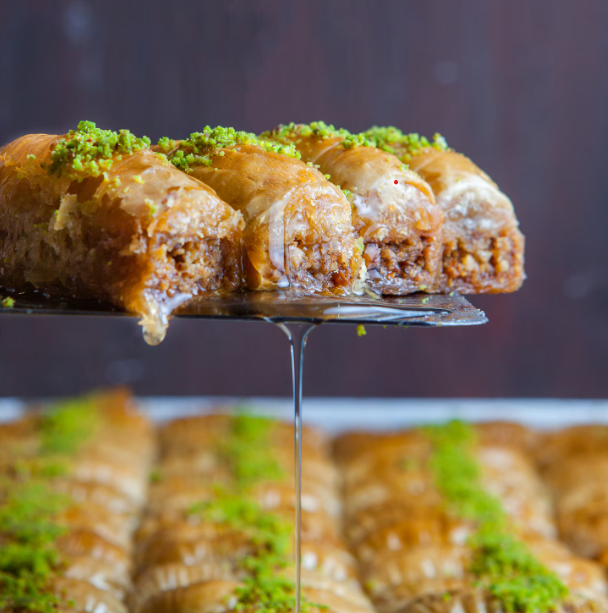
Katayef is a sweet stuffed pancake widely prepared in the Middle East, especially during the month of Ramadan. These golden pancakes are filled with nuts, cheese, or cream, then folded, fried, and soaked in syrup. Their irresistible flavor and cultural significance make them one of the most beloved festive desserts in the region.
History
The origins of Katayef trace back to the Abbasid Caliphate, where it was enjoyed at royal banquets. Over time, it became a Ramadan staple, associated with breaking the fast after sunset. Its longevity in Middle Eastern cuisine reflects both tradition and adaptability, as fillings and cooking methods have evolved across countries.
Cultural Context
During Ramadan, Katayef is prepared in homes and sold by street vendors in large batches. Families often come together to prepare and fry them, reinforcing bonds and celebrating hospitality. Katayef is a dish of togetherness, generosity, and joy, symbolizing the spirit of Ramadan evenings.
Ingredients and Substitutions
The pancake batter is similar to regular pancakes but cooked only on one side to leave the surface sticky for sealing. Fillings range from sweetened walnuts and cinnamon to clotted cream or ricotta. The syrup is flavored with rosewater or orange blossom water, giving it a signature Middle Eastern aroma.
Tips
Seal the pancakes carefully to avoid leakage during frying. Fry until golden brown for the best crunch. For a lighter option, bake instead of frying. Always drizzle with syrup while still warm for maximum absorption and flavor.

Middle Eastern Katayef
Description
Stuffed Middle Eastern pancakes fried and served with syrup.
Main Ingredients
Instructions
-
Mix flour, milk, and yeast to make batter.
-
Cook small pancakes on one side only.
-
Fill with walnuts or ricotta.
-
Seal edges and fry until golden.
-
Dip fried katayef in syrup before serving.
Nutrition Facts
Servings 10
- Amount Per Serving
- Calories 320kcal
- % Daily Value *
- Total Fat 14g22%
- Total Carbohydrate 45g15%
- Protein 8g16%
* Percent Daily Values are based on a 2,000 calorie diet. Your daily value may be higher or lower depending on your calorie needs.
Note
Best enjoyed warm with tea.



