

Introduction
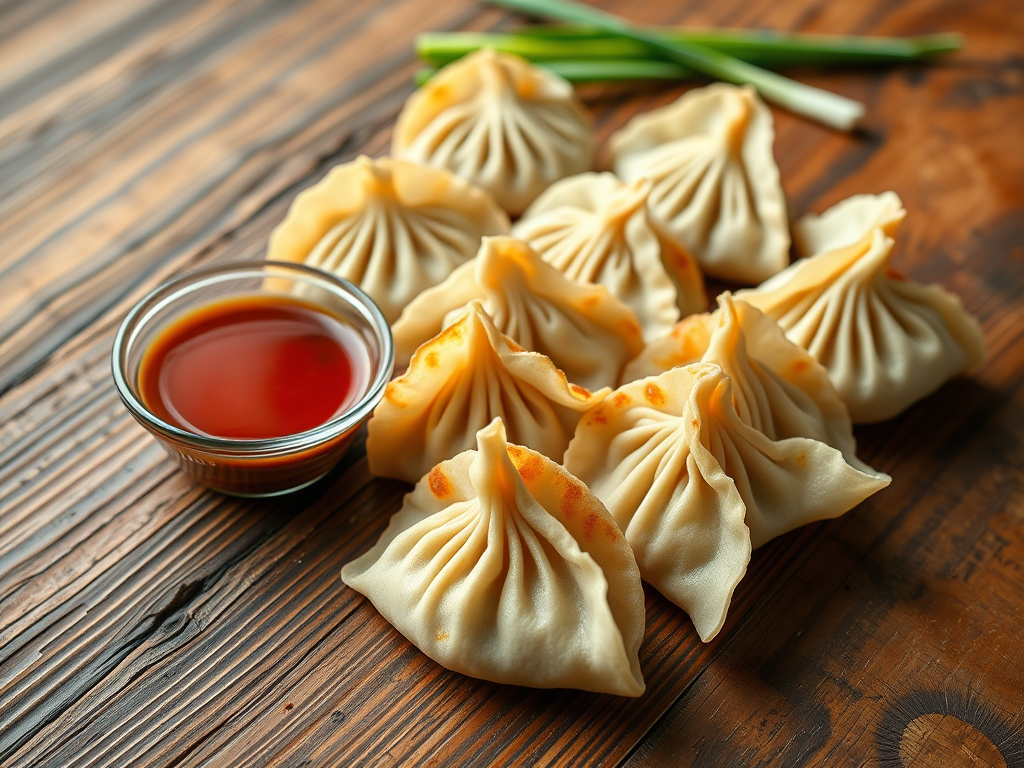
Pork gyoza dumplings are one of Japan’s most beloved appetizers, known for their juicy fillings, crispy bottoms, and soft, steamed tops. These bite-sized dumplings are irresistible, often enjoyed as a side dish to ramen, as a bar snack, or as a star of the meal when served in larger quantities. Gyoza are as fun to prepare as they are to eat, with their pleated edges and golden crusts making them as beautiful as they are delicious. For many, making gyoza is a family activity, with everyone helping to fold and shape the dumplings before cooking.
History
Gyoza was introduced to Japan in the early 20th century, adapted from the Chinese dumpling called jiaozi. The Japanese version uses thinner wrappers and is often more garlicky in flavor. Over time, gyoza became a staple of Japanese cuisine, found everywhere from izakayas (Japanese pubs) to convenience stores and ramen shops. Its popularity has since spread worldwide, where it is enjoyed as both street food and a gourmet appetizer.
Cultural Context
In Japan, gyoza is often paired with beer or served alongside ramen, creating a hearty and satisfying meal. Pan-fried gyoza, also known as yaki-gyoza, are the most common, offering a perfect balance of textures. Steamed and boiled versions are also enjoyed, particularly in regions with stronger Chinese culinary influences. For many, gyoza represents casual dining and togetherness, making it a favorite dish for gatherings with friends or family.
Ingredients and Substitutions
The filling for gyoza typically includes ground pork, finely chopped cabbage, garlic, ginger, and scallions, seasoned with soy sauce and sesame oil. Chicken or shrimp can be substituted for pork, while vegetarian versions often use mushrooms, tofu, or a mix of vegetables. The wrappers can be store-bought or homemade, with gluten-free versions available for those with dietary restrictions. Dipping sauces range from simple soy-vinegar blends to spicy chili oils or ponzu for a citrusy touch.
Tips
To achieve the signature crispy bottom, cook gyoza in a nonstick skillet with a small amount of oil until browned, then add water and cover to steam. This combination of frying and steaming ensures both crunch and tenderness. When folding the wrappers, seal the edges tightly to prevent the filling from escaping. Serve gyoza hot, straight from the pan, with dipping sauces for maximum enjoyment. With a little practice, homemade gyoza can rival restaurant versions and bring the flavors of Japan right to your kitchen table.

Pork Gyoza Dumplings
Description
Japanese pan-fried pork dumplings.
Main Ingredients
Instructions
-
Mix pork, cabbage, garlic, ginger, scallions, soy sauce, and sesame oil for filling.
-
Place 1 tsp filling in each wrapper and seal edges.
-
Heat oil in a nonstick skillet and fry dumplings until bottoms are golden.
-
Add water to pan, cover, and steam until cooked through.
-
Serve with dipping sauce.
Nutrition Facts
Servings 6
- Amount Per Serving
- Calories 320kcal
- % Daily Value *
- Total Fat 14g22%
- Total Carbohydrate 34g12%
- Protein 16g32%
* Percent Daily Values are based on a 2,000 calorie diet. Your daily value may be higher or lower depending on your calorie needs.
Note
Serve with chili oil or ponzu for extra flavor.



