

Introduction
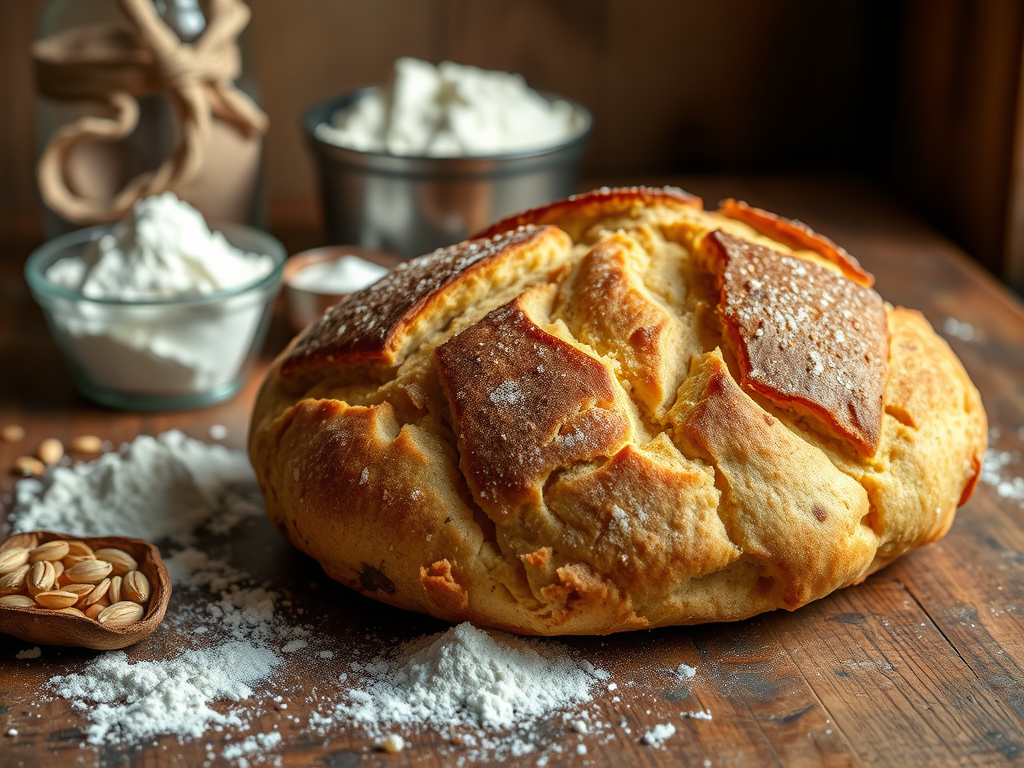
Bannock bread is a rustic, hearty bread with deep cultural roots across Canada. It is known for its simplicity, versatility, and ability to be cooked in many ways—baked in an oven, fried in a pan, or cooked over an open flame. For many families, bannock is more than food; it is a connection to tradition, heritage, and survival. Its humble ingredients and ease of preparation have made it a staple for generations.
History
The history of bannock bridges Scottish and Indigenous traditions. Scottish settlers brought with them a type of flatbread made with oats or barley, which was adopted and adapted by Indigenous peoples across North America. Using locally available ingredients such as flour, fat, and baking powder, bannock became an essential food. It sustained travelers, hunters, and families alike. Today, bannock holds symbolic importance as a food of resilience, reflecting the merging of cultures and the ability to thrive with simple resources.
Ingredients and Substitutions
Bannock requires only a few ingredients: flour, baking powder, salt, and water or milk. Fat—whether lard, butter, or oil—adds tenderness and flavor. The beauty of bannock lies in its adaptability. It can be savory with the addition of cheese or herbs, or sweetened with sugar, raisins, or berries. In modern kitchens, gluten-free flour can be substituted, and plant-based fats make it suitable for vegan diets.
Cooking Tips
If cooking bannock over a campfire, flatten the dough and place it on a hot stone or wrap it around a stick for roasting. For oven-baked versions, a cast-iron skillet is ideal for even heat distribution. Avoid over-kneading the dough, as this can make it dense. Bannock is best served warm, spread with butter, jam, or honey. Its neutral flavor also makes it an excellent side for soups and stews.
Cultural Context
Bannock carries deep cultural meaning. For Indigenous families, making bannock is often a communal experience, passed down through generations. It is prepared at gatherings, ceremonies, and everyday meals, symbolizing resilience and adaptation. For many, sharing bannock is about more than nourishment—it’s about remembering history and honoring community.

Traditional Bannock Bread
Description
A simple and hearty bread baked or fried with flour and baking powder.
Main Ingredients
Instructions
-
Preheat oven to 400°F (200°C) or heat a skillet for stovetop.
-
Mix flour, baking powder, and salt in a bowl.
-
Cut in lard or butter until crumbly.
-
Add water or milk gradually to form a soft dough.
-
Knead lightly and shape into a round.
-
Bake for 20 minutes or cook on a skillet until golden brown.
-
Serve warm with butter or jam.
Nutrition Facts
Servings 8
- Amount Per Serving
- Calories 250kcal
- % Daily Value *
- Total Fat 6g10%
- Total Carbohydrate 45g15%
- Protein 7g15%
* Percent Daily Values are based on a 2,000 calorie diet. Your daily value may be higher or lower depending on your calorie needs.
Note
Serve warm with butter, jam, or honey.



